

Dystopian melodies: Crafting a story of revolution

By Michael Ybarra
Music Journalist
No movie is complete without a soundtrack. Most directors work linearly: write the story and then add the music. To exercise my creative muscles, I wanted to work in reverse.
I listened to songs and crafted a dystopian narrative, which prepares us for the bleak outlook of tomorrow. However, this is not a tale of despair. This is a tale of revolution.
Exposition
This story begins with an advertisement for an unnamed city, teeming with technological advancement and dreamy landscapes, but the pixels at the bottom of the viewer’s telescreen glitch, causing the screen to flit between advertisement and reality. “Concrete” by Poppy accompanies this ad, and the duality of instrumentation reveals the truth of the city.

No such dreamscapes exist. The abrasive electric guitar and screamo sections blend with the bubble gum pop of “Concrete” as the faulty advertisement tries to conceal how horrible the city is.
As “Concrete” fades out, the viewer sinks beneath the city surface to the violent underbelly, where “Theatre!” by Hey, Baby begins. The electronic kicks and harsh bass encapsulate the deadly, underground moto-racing competition utilized by the elite to settle feuds amongst themselves. Riders wield weaponized dirt bikes while their masters sit in box seats; they would rather use this method than publicly denounce their rivals.
Each death in the arena is tragic, an innocent life probably using this race as a last resort to pay for an endless list of debts they owe taken without remorse. But there are some on the surface, those with enough money to opt out of this waking nightmare, who enter the cryo-sleep offices.
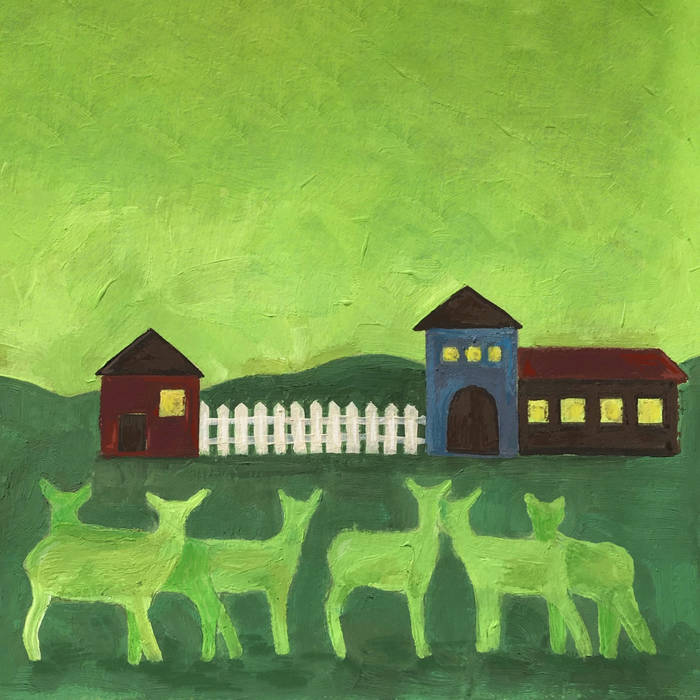
“Bedtime” by Ruby echoes the experience of being put to sleep softly, and the wealthy do the same. They are not dead, only waiting for the city to become better. They have this luxury.
However, there are some who cannot ignore how terrible the city has become. A band of witches, accurately depicted by Arca’s “Bruja,” gather in abandoned buildings, each with eerie biomechanical enhancements, the results of being failed first test subjects.
The strange electronic beats in “Bruja” illustrate the misfortune given to these witches without consent, but the technology has given them magic, capable of both destruction and healing.
Vigilantes, all clad in skin-tight leather, occasionally interact with the witches when they erupt from the city surface to right a wrong or two, but they never attempt to overthrow the rulers of the city. “Ce Soir” by DUCKWRTH & Syd replicates their high-speed motorcycle journeys through the city, carrying out their revenge or occasionally protecting the innocent.

Schooling in the city has become a prison sentence. “Doing Fine” by Eliza McLamb expresses the turmoil of students as they walk from class to class, learning through virtual reality headsets. Critical thinking is discouraged. They are spoon-fed propaganda by the government who erased the city’s history, but McLamb’s screams during the bridge channel students’ urge to breakdown at their desks and at home, the hope of success is the only thing keeping them going.
Road to Revolution
Each night, various clubs host raves, which feel like physical manifestations of “Good Time” by The Dare. Citizens party to flood their senses, much like the synth waves of “Good Time” rattle throughout the listener’s head.
The government allows these raves, otherwise citizens are bound to complain about their boring office jobs, but a revolution brews in the backrooms, and it is solely led and comprised of women.
Their plotting can be compared to “Joke!” by SE SO NEON, its funky bass and infectious drum beat the sonic representation of revolutionaries building their ranks. Their masterful plan will begin in schools. A reeducation is in order.
The revolutionaries choose the daughter of their leader, aged 17, to infiltrate schools as a beacon of light and truth. As the 17-year-old befriends various other young women, each one sick of feeling trapped in the life already spelled out for them, the traditional indie rock drums and rebellious lyricism of Kid Sistr’s “Little Sister Song” capture the camaraderie the girls discover.
After a makeover of sorts, led by the revolution plant, comes to an end, these girls set foot into their schools not as society’s cardboard cutouts but as fully radicalized ladies, intent on questioning every discrepancy in history class, every backwards rule. Greta Isaac’s “5’1” portrays their faux innocence as supplies begin mysteriously disappearing from storage units.
The revolution begins to the tune of “Recovery Girl VIP” by Recovery Girl and Galen Tipton. The mechanical beats represent various battles led by revolutionaries enlisting the help of the vigilantes and the witches.

Epilogue
The city’s cruel overlords, surprised by the sudden attacks, have no choice but to relinquish their power after the city is leveled to the ground during weeks of battle.
Victorious and content, the revolutionaries, including the band of teenagers who were essential in stealing supplies to build weapons, survey the flat city.
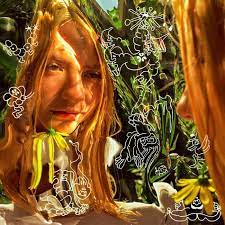
As they reflect on their time together, “Wizard” by Dora Jar, a song daring listeners to underestimate her, scores the final shot of a sunset silhouetting the ladies on a hill and continues as the credits roll.
Similar posts

-

1
Last Escape
-

2
In My Head
-
play_arrow
In My Head Phantogram & Whethan
-
-

3
Rabbit season
-

4
Reason to Pray
-

5
Still Do




Post comments (0)