

Fiona Apple’s Tidal: A Portrait of Unfiltered Angst and Artistic Bravery

Jack Doczy
Music Journalist
When Fiona Apple’s debut album, Tidal, arrived in 1996, the music world was captivated, not just by her jazz-influenced melodies and rich piano work, but by her raw honesty. Apple, then only 19, offered a window into the tumultuous psyche of a young artist grappling with trauma, fame and identity. The album went platinum and earned her a reputation as both a gifted musician and an outspoken figure willing to challenge the norms around celebrity behavior.
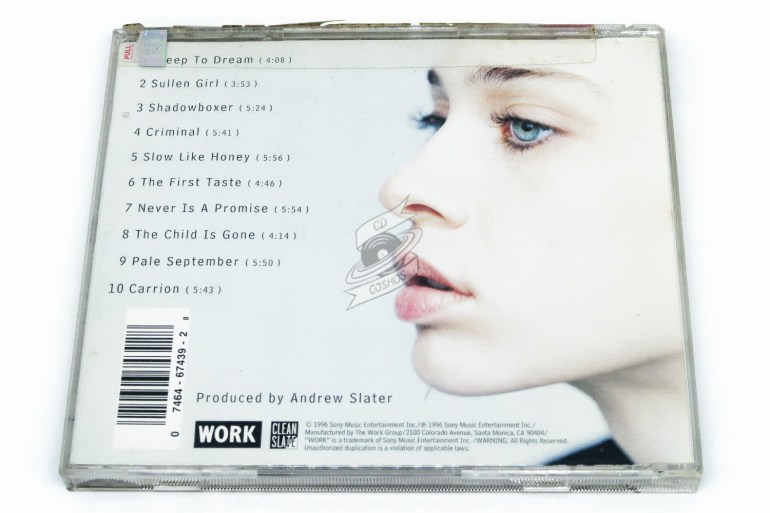
For all her vulnerability, Apple’s music on Tidal resonated with haunting confidence, even as she performed songs written in her teen years, some penned as she navigated the fallout from personal trauma. One of the album’s standout tracks, Sullen Girl, touches on her own assault experience—a song that captures both her fragility and strength. This courage made Tidal more than just a successful debut; it was a landmark for authenticity in pop, capturing the insecurities, anger and resilience Apple was experiencing.
A Voice Unbound by Convention
Apple’s candid approach often extended beyond her music. Her acceptance speech for Best New Artist at the MTV Video Music Awards that year, where she famously declared, “This world is bullsh*t!” polarized audiences and earned her a reputation as intense and uncompromising.
Reflecting on the moment, Apple said in an interview with Tracey Pepper, “I have absolutely no regrets… I did something wonderful by saying what I felt.” Rather than retreat, she leaned into this persona, challenging an industry that valued conformity over confrontation.
In the interview around her 20th birthday, Apple spoke about her speech, saying, “I didn’t mean to come off that way… but I think it’s good if I appeared a bit angry. People are too complacent.” She recognized that her intensity might not resonate with everyone, yet she remained unyielding, comfortable with whatever misinterpretation might arise. Her refusal to apologize for her outspokenness positioned her as a rebellious figure, unapologetic about her emotions and opinions.
The Complexity of “Criminal” and Owning Her Image
The music video for Apple’s breakthrough single, Criminal, sparked significant conversation, largely due to its risqué imagery. Apple, who admitted to being uncomfortable with overt displays of her sexuality, took the leap, saying that the song’s themes of guilt and indulgence connected with her, allowing her to embrace the visual narrative despite her personal reservations.
“It was a personal mission to do that video,” Apple explained, adding that being vulnerable on camera, surrounded by models, was a way to confront her insecurities head-on. “Even though I know I’m exploiting my sexuality in a certain way, it’s fun! It boosts my ego. Which is exactly what the song is about.”
Defying Industry Expectations and Embracing the Public Eye
Apple’s experiences in the public eye were often fraught, particularly as she navigated the objectifying gaze of audiences and critics alike. Recalling a moment on stage when an audience member shouted, “Take off your pants!” before she performed Sullen Girl, she expressed a deep frustration with being sexualized on stage, especially when performing a song about her personal trauma. “If women want to be appreciated for what we’re saying, we’ve got to wear turtlenecks and long pants,” she said, underscoring the double standards she faced.
Yet, Apple’s sense of purpose fueled her commitment to her work. She noted that her drive to stay authentic in the face of scrutiny was, in a way, her responsibility. “I almost feel like it’s my duty to make an ass out of myself in public,” she said. “Just to prove that you can take risks—that you can’t [mess] up.”
An Unlikely Role Model
Apple’s desire to break away from traditional expectations, whether in her music, her image or her public statements, deeply resonated with fans who found solace in her defiance. She acknowledged her responsibility to “set [her] own standards,” striving to present a version of celebrity that didn’t strive for unattainable perfection. Instead, Apple became “the patron saint of reality,” championing a more honest and varied representation of human emotions and experiences.
Through Tidal, Fiona Apple forged a new path for young artists who sought to explore and express the messier sides of life. Her openness allowed fans to witness, in real-time, a person grappling with complex emotions and growing into an artist who defied conventions.
Looking ahead, she planned to continue evolving, as she hinted at in her plans for her next album, tentatively titled Corrupt. And for all the intense reactions she may inspire, Fiona Apple’s journey is one defined by resilience, openness and a fierce commitment to her truth, a narrative that millions have come to admire and respect.


Post comments (1)
-

1
In My Head
-
play_arrow
In My Head Phantogram & Whethan
-
-

2
Last Escape
-

3
Reason to Pray
-

4
Rabbit season
-

5
Still Do




Anonymous on November 14, 2024
Just saw this and I’m listening to this album now. Love this so much, so much talent 💞💞💞