

The Calaboose honors and preserves African-American history
By Fayth Walsh
Assistant Copy Editor
The Calaboose Museum located just below Texas State University serves as a monumental reminder of all the cultural history that African Americans have inherited within San Marcos.
It has been a building that has undergone numerous amounts of changes over time, functioning as three separate typologies. Originally it had been used as the Hays County Jail in 1875, one of the windows remaining the same as it had been at the time. This was its original function for 40 years, a simple boxed-in building that was later torn down in 1912.
Before being removed permanently it was built into a second building in the 1940’s, being what the building is seen as today. It became a USO facility for Tuskegee airmen. These were the groups of African American men pilots who specialized in fighter bombing. The museum owns one of the planes that was used by these soldiers in the Second World War.
Shortly after it became a community center for the town; a place where the people of Dunbar could celebrate with local parties. They housed dozens of celebrations and used the building as a local hotspot for socializing and gatherings.
In 1955 came the introduction of integrated school districts; every year another grade would be added to integration. Notably the Calaboose homes many items of the first integrated school districts including the diploma of one of the first African American women to graduate Southwest Texas State.
Inside the museum viewers can see the graduation certificates of numerous individuals and get to see the experience of the type of school lifestyle that was common for them at that time.
Rich in culture Calaboose holds several essential reminders of the diverse heritage of San Marcos African Americans.
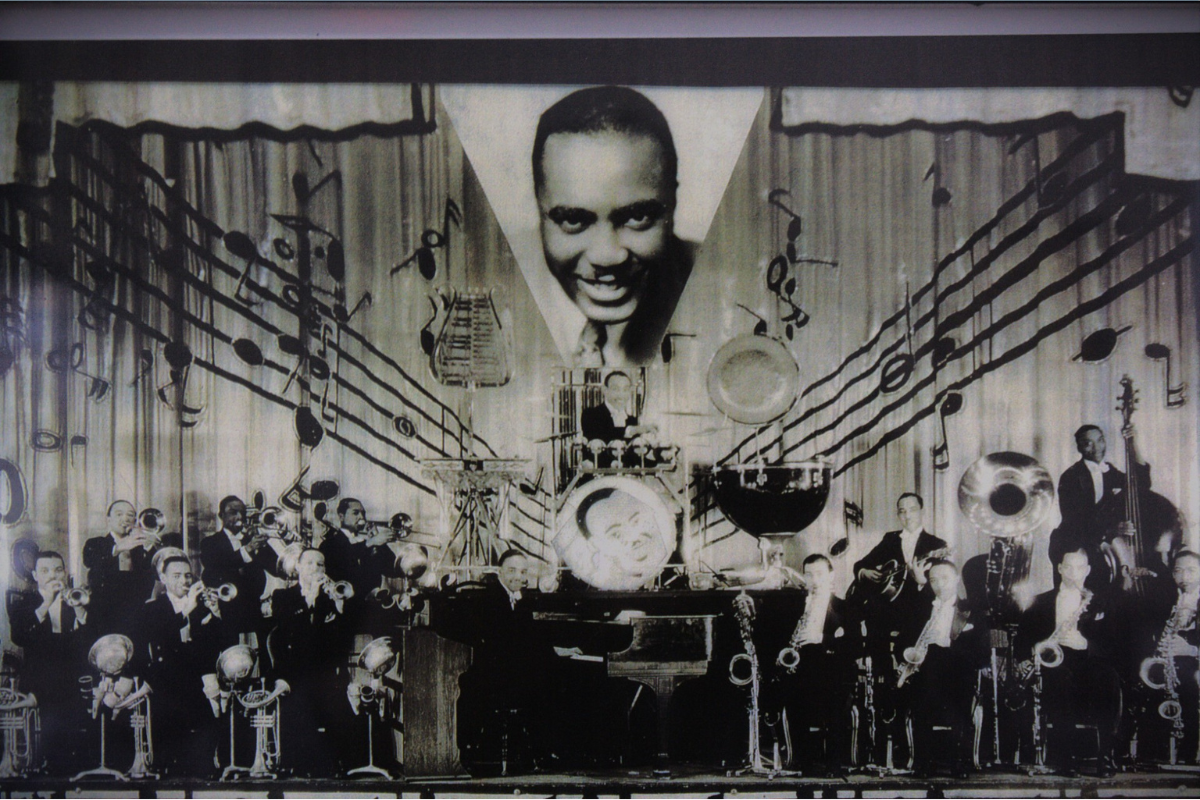
Eddie Durham who was the forerunner for the electric guitar in jazz, was born not far from the Calaboose Museum. He had introduced riff style jazz, contributing to the jazz music industry immensely.
Durham was a man who enriched the musical culture of African Americans, touring with not only one of the first all-female singing groups but also while playing a various number of instruments that toured in 1924. He opened the doors for many San Marcos musicians.
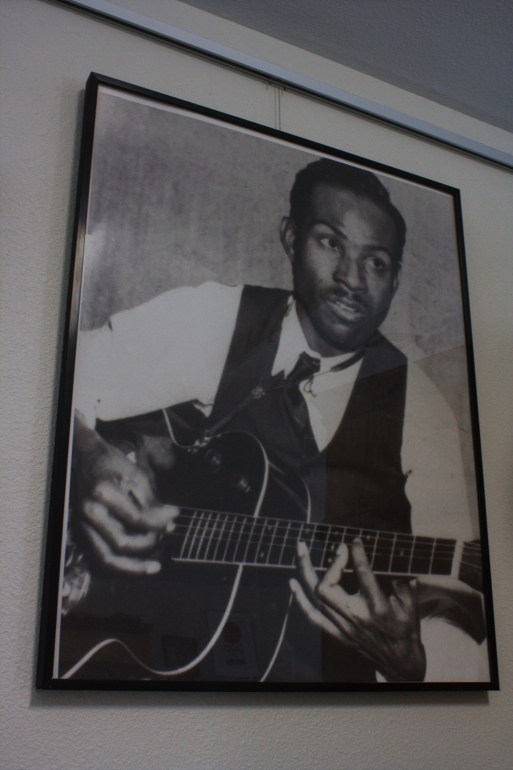
The museum not only owns several of Eddie Durham’s artifacts but even diverges in the Greek culture and athletics of African Americans in San Marcos.
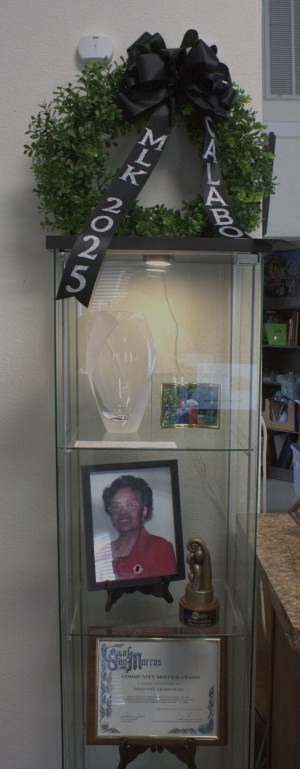
Naturally none of these monumental features in the museum would have been possible for the viewing had it not been for Johnnie M. Armstead who later repurposed the building in 1997 to become a museum open to the public. Originally Armstead had just been a lover of collecting trinkets and buying items that held history.
The entire museum is made of the artifacts that Armstead had compiled over the years. The collection consists of more than 500 items that Armstead acquired, all reflecting the important history of African Americans within San Marcos. The museum created a small dedication to her remembering the impact her hobby has created for the community.
-

1
In My Head
-
play_arrow
In My Head Phantogram & Whethan
-
-

2
Last Escape
-

3
Reason to Pray
-

4
Rabbit season
-

5
Still Do




Post comments (0)