

A Brief History of Super Bowl Halftime Performances
By Riley Watkins
Music Journalist
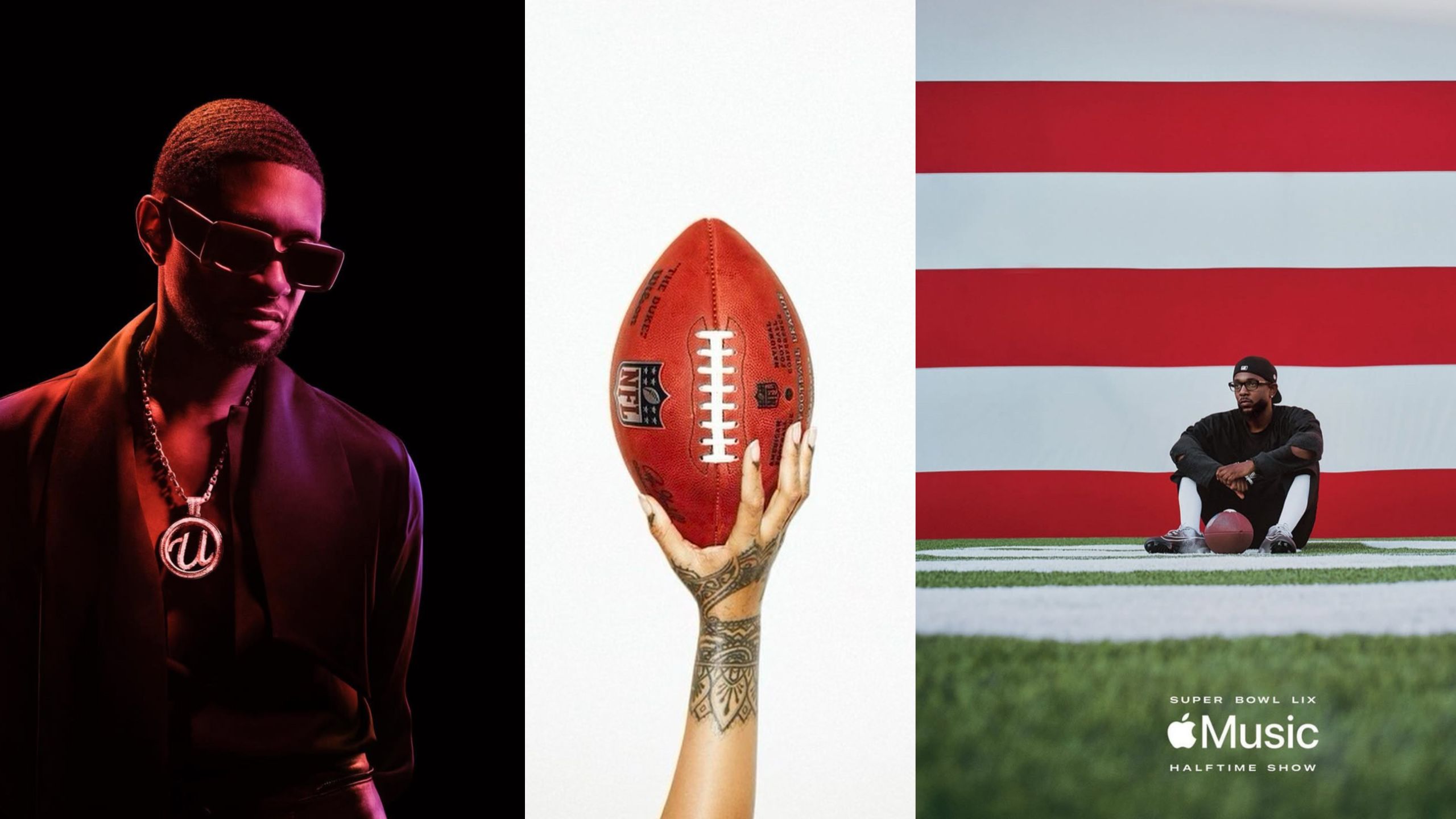
Finally, after 272 regular season games and 13 playoff matchups, Super Bowl LIX has completed. While there may not be anyone outside of Pennsylvania or Missouri (or the Taylor Swift fandom) who cared about the outcome of the game, there is one part of the broadcast that drew everyone’s attention: Kendrick Lamar headlining the Super Bowl halftime show.
The Super Bowl has featured countless number of legendary musicians. I wanted to take a look back on all of the previous Super Bowl halftime shows to see how we got to this point.
Merchandise, Marching, and the Mouse
The early Super Bowl halftime shows were primarily just there to act as entertainment for those who did not want to get up from their seats to purchase merchandise or use the restroom. Many of the performances consisted of local marching bands with the occasional accompaniment of a star like Ella Fitzgerald in 1972.
Things got more wacky when Disney got their grubby hands involved by including the Mouseketeers in 1977, the infamous Mr. Mouse himself in 1984, and with their Salute to Hollywood tribute in 1987 (fun fact: the “I’m going to Disney World!” phrase was first coined after this game when the winning New York Giants’ quarterback Phil Simms declared it. He later admitted he was paid $50,000 to do so).
One consistent theme throughout the first few decades of Super Bowl halftime shows was just that: themes. Each show was promoted by a specific theme in order to provide a cohesive narrative for the attendees. The most peculiar of these themes was 1989’s “Be-Bop Bamboozled in 3-D”. In a marketing ploy, Coca-Cola distributed 3-D glasses to be worn during the halftime performance prior to the game. The weirdest part of this year’s show was the headlining act, an Elvis Presley impersonating magician cleverly named “Elvis Presto”.
Enter the King
Super Bowl XXVI in 1992 marked a major turning point for CBS, the broadcasting host for the game. Other networks like FOX started to notice that audiences were not all that interested in the halftime shenanigans. This led to FOX airing a new episode of their series “In Living Color” at the same time as Gloria Estefan’s performance. This resulted in the game’s broadcast losing over a fifth of its viewership during halftime. CBS learned from this experience that they needed to start catering more to the viewers at home, not just the game’s attendees.
In 1993, CBS upped the ante by bringing in the king of pop himself, Michael Jackson. After leaping out of the stage, Jackson stood still for a minute and a half while fans cheered. The performance featured hits like “Billie Jean” and “Black or White” and a finale with over 3,500 children singing “Heal the World” with him. The decision to include Jackson was not just a success, it is to this day the most watched Super Bowl halftime show of all time with an estimated 133.4 million viewers.
After the success of Super Bowl XXVII, CBS decided the best way to follow it up would be to try and fit as many A-list musicians on stage as they possibly could. While none of these performances were as abnormally dull as those from the first two decades of the game, it led to strange combinations, the likes of which we will probably never see again.
Super Bowl XXXI (1997) – The Blues Brothers, James Brown, ZZ Top – For those unfamiliar with The Blues Brothers, they are actors Dan Akroyd, John Goodman and Jim Belushi playing characters from a recurring musical sketch in Saturday Night Live.
Super Bowl XXXV (2001) – Aerosmith, N’SYNC, Britney Spears, Mary J. Blige, Nelly – The first of Justin Timberlake’s three halftime show appearances saw him and Britney Spears singing “Walk This Way” with rock legends Aerosmith.
A Moving Tribute and Wardrobe Malfunction
Janet Jackson was initially supposed to be the headliner for the 2002 Super Bowl, but after the terrorist attack on the Twin Towers in September 2001 CBS opted for U2 instead. In a moving act of solidarity, a large screen projected all the names of the people who lost their lives to the attack while the band was performing “Where the Streets Have No Name”. For the finale, lead singer Bono opened his jacket to reveal the lining was patterned with the American flag.
On a much less sentimental note, the performance two years later for Super Bowl XXXVIII may go down as the most controversial moment in live television history. Janet Jackson shared her awaited headlining gig with Justin Timberlake, and with a single miscalculated swipe of his hand, her nipple was revealed to the entire viewing audience. The shockwave of this incident is still being felt to this day with all live events including several second delays in case censorship is needed. The performance was also coheadlined by several other now-controversial figures like P. Diddy, Kid Rock and Nelly.
For nearly a decade after the 2004 halftime debacle CBS decided to play it safe and only feature established artists with no real chance of creating another controversy. These shows included Paul McCartney, The Rolling Stones, Prince (who did play a rather phallic looking guitar), Tom Petty and the Heartbreakers, Bruce Springsteen and The Who.
Viral Moments and Roc Nation
The 2010s brought the return of pop music to the halftime show, starting with the Black Eyed Peas in 2011. One notable difference between the previous three decades of performances and the modern day is the importance of social media platforms on the longevity of the shows. Now, audiences can relive their favorite halftime shows on platforms like YouTube and moments can memeified to death on Instagram and X. Some notable viral moments from the past decade include the left shark in Katy Perry’s 2015 performance, Lady Gaga leaping off the top of the stadium in 2017, and the kid that couldn’t put his phone down with Justin Timberlake right next to him in 2018.

In 2019, rapper Jay-Z’s company Roc Nation reached a deal with the NFL to be the primary producers of the halftime shows. This deal involves Roc Nation directly with the selection of all halftime show performances, including those that don’t take place during the Super Bowl. Thus far this decision has been a success and created a more diverse lineup of performers in recent years. Shakira and Jennifer Lopez headlined in 2020, The Weeknd in 2021, a tribute to west coast hip-hop in 2022, Rihanna in 2023, and Usher in 2024. There was also a halftime show for the Ravens-Texans Christmas game in 2024, where Beyoncé played a short set based on her album Cowboy Carter. After the selection of Kendrick Lamar was made Roc Nation signed an extension with the NFL to be in charge of the halftime shows for the foreseeable future.
Similar posts
-

1
In My Head
-
play_arrow
In My Head Phantogram & Whethan
-
-

2
Last Escape
-

3
Reason to Pray
-

4
Rabbit season
-

5
Still Do




Post comments (0)