

Sound of Teenage Nostalgia: How Lorde’s, Pure Heroine, Reminds Us of Our Youth
Bryce Sexson
Music Journalist
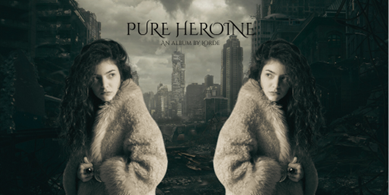
In a pop landscape dominated by aspirational tales of wealth and extravagance, Lorde emerged with her debut single, Royals’, a song so relatable it left audiences yearning for more. Listeners would hear a sixteen-year-old girl’s critique of modern music’s glamourization of high fashion and luxury, of a status that the average citizen would never experience. It was a song about frustrations with a dull hometown that nobody could feel proud of. ‘Royals’ is an empowering anthem about taking control of your life, no matter your circumstances. Lorde hails herself the queen, deciding that her life is “great without a care” because she’s not caught up in the trials and tribulations of the wealthiest individuals, with an undertone implying she possesses a youthful freedom unburdened by the responsibilities and constraints of adulthood. This song embodies the overall message of Lorde’s debut album, Pure Heroine. While on the surface, the album appears to be a teenager’s experience with growing up, which remains true, but it also functions as a critique on middle-class suburban life and the fear of losing one’s spark to adulthood. The album captures the friendships, exciting firsts, and self-discovery most people experience in their teenage years. Although it acts as a critique, Lorde embraces suburban life and the connections she has with that life while hiding the facts with metaphors of royalty and total rule.
Those connections are explored in two songs with similar emotions, but different outcomes. “Ribs” follows Lorde as she begins to grieve her teenage years, feeling more isolated than ever as she copes with the fear of growing old. She finds her escape within a deep friendship in which her feelings are reciprocated. While many dream about the unknown that is adulthood, Lorde confesses that her dream isn’t feeling sweet, that she misses the mind she had and the thoughts that made her head spin. She admits to her friend that they are the only friends she needs and that the sharing of beds and laughter keeps her grounded, secretly acknowledging that even that will never be enough. “A World Alone” takes a more hopeful approach than its sister song, this time aiming for a mature outlook on adulthood, embracing the change instead of fearing it. This song, which closes the album, portrays a world where Lorde feels ostracized from her shallow friends and finds herself at peace in the arms of her “best friend”. This relationship finds her in a new mindset, an important one that promotes authenticity and letting your guard down to the world. She recollects experiences of fake friendships and gossip, realizing that some people will always have something to say and that letting them go is the first step to true freedom. The song touches on a message so important to younger people, one that can be so easily forgotten as you make that transition into adulthood.
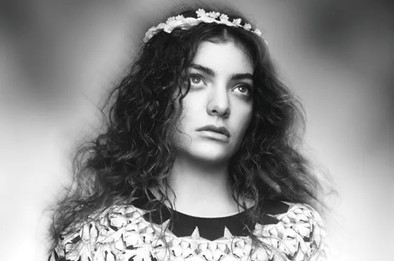
Though Lorde isn’t shy about unveiling her life in the suburbs, having been inspired by photographs of suburban neighborhoods that shroud an air of emptiness in the album, she mixes in ideas of royal life to create the concept of Pure Heroine. She depicts herself as the queen, or heroine, of her land, a neighborhood in New Zealand. “Tennis Court”, the opening track, introduces us to this concept with the comparison of a tennis court to that of a royal court, where teenagers go to “talk it up”. This simple setting of the tennis court becomes Lorde’s throne room, modeling her youthful dominion.
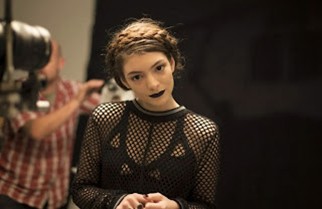
However, though “Tennis Court” defines this kingdom’s literal landscape, the album’s second single, “Team”, dives into a more symbolic representation of her identity and aspirations within this kingdom. Though, “Royals” is typically the more remembered song from this album, there is no other song that illustrates the concept of Pure Heroine than “Team”. Depicting herself as “The Greatness”, Lorde describes the subdivisions in her town as “cities you’ll never see on the screen”, labeling them as disheveled and unappealing but assuring that she and her friends know how to run things. It’s a simple song with a clear message that brings her world to life, depicting a dystopian image of destroyed neighborhoods and groups of people coming together despite their differences.
Surprisingly, it’s “Pure Heroine’s” departure from literal teenage experiences that makes it so effective. It’s about the fabrication of reality that teenagers spend countless nights dreaming about, hoping that when they wake up, everything will be different. The album shows feelings of loss associated with the reality of growing older despite your readiness. “Pure Heroine” acts as a portal to this world, where nostalgia reels us into a moment of reminiscence on a past that we will never get back. Lorde reminds us that we are a product of our childhood, and how the loss of those years stays with us in adulthood, ensuring this album to be a modern-day classic.
Similar posts
-

1
In My Head
-
play_arrow
In My Head Phantogram & Whethan
-
-

2
Last Escape
-

3
Reason to Pray
-

4
Rabbit season
-

5
Still Do



Post comments (0)