

Generations of Music

Clementine Lawless
Music Journalist
Music can be a generational aspect for many people, even in ways that may not be the most obvious. Culture, formal education for music, modern media and technology influence, as well as even social to intergenerational connection are all key aspects that contribute to music being passed down. Whether you’re gaining a sudden interest in your cultural background, dedicating some of your life through formal training of an instrument, witnessing unique and modern types of music start to come about, or even just growing up with friends and family and noticing specific characteristics that you now look for in your own music; all of these experiences ultimately shape the melodies and rhythms that often echo in our own lives, slowly weaving a tapestry of sounds that reflect not just who we are, but where we came from and who we share the world with.
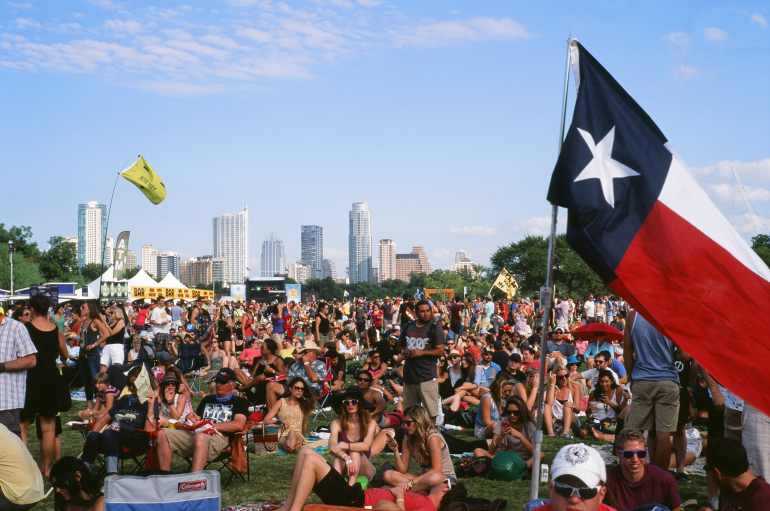
In a lot of waysways, music serves as a bridge between generations within a family and/or community. Through music we can create shared spaces as well as deeper emotional connections that can transcend through both age and time. For a few examples, my parents would always have music from their time playing in our house, or growing up my abuela would sing me Spanish lullabies; moments that would then spark conversations about their own memories, cultural identity, and the honor of passing down a piece of their heritage. Even just an informal jam session seen on the streets or family gatherings with live music can connect diverse generations through a common language, rhythm, or melody. Beyond family ties, community events like festivals, concerts, and celebrations all provide special opportunities for people of all ages and backgrounds to come together and celebrate their shared love of music. A gentle introduction to a specific artist, song, genre, etc, can spark curiosity and connection, hopefully inspiring people to explore further and deepening their sense of belonging.

Technology plays a heavy role in music’s generational bridge. The world is our oyster most literally in the context of technology and music as we now have hundreds of streaming services, social media, and music apps readily available and easy to use for any generation to connect with one another. With platforms like Spotify, Apple Music, YouTube, and more, family and friends can easily share their favorite songs gained throughout life with anyone, while also giving people the opportunity to discover and share artists and genres from both new and older generations with others.
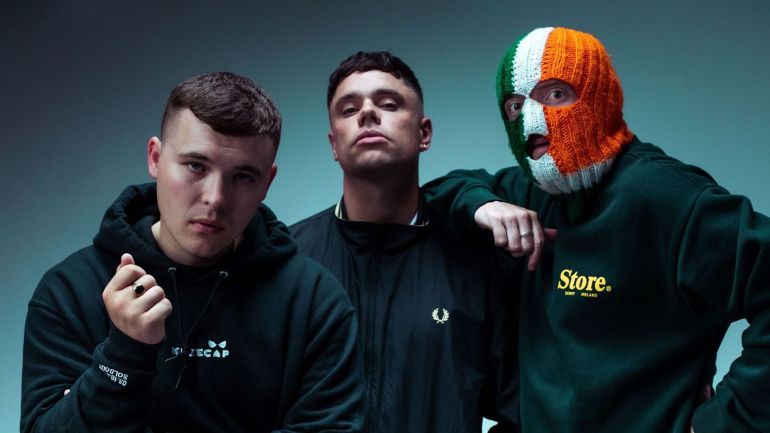
When it comes to preserving cultural identity and traditions across generations, especially within any immigrant or minority communities, music is extremely helpful. For many families and communities, sharing traditional songs or styles passed down through generations greatly strengthens ties to their heritage and reminds younger generations of where they came from. Not only that, but it’s a reminder to others that the world is filled with diverse cultures, constantly sharing their voices and making sure they’re never forgotten. The hip hop and rap trio from northern Ireland, Kneecap, with its members Mo Chara, Móglaí Bap, and DJ Próvaí is a worthy mention for this topic as their group’s very existence is a protest. Since the Irish rap group formed, they’ve made it their business to be extremely vocal and write about Irish republicanism, the unification of Northern Ireland with the Republic of Ireland, as well as the Irish language and its preservation. They’ve also been known to protest for other political/social causes around the world. A worthy example of artists that promote and revitalize their language and culture for both past and future generations.
How do different generations approach the same musical genre, and what does that reveal about cultural continuity and change?
Different generations often approach the same musical genre in ways that reflect both cultural continuity and change in life. You could use really any genre of music, but for this article I’ll choose rap. This genre has roots starting in the early 1970’s in the Bronx of New York City as part of the broader hip-hop culture movement. DJ’s began isolating the percussion breaks of funk, soul, and disco songs as well as extending them to ultimately create rap. It emerged as a form of social commentary and community storytelling for the older generations to promote political messages and social movements of the time. Artists both then and now highlight issues like systemic justice, poverty, and racial inequality, with the addition of younger listeners viewing rap as a platform for personal expression, innovation, and the blending of other genres with pop or electronic music. Music genres can evolve while still retaining core elements that connect people to their cultural roots. These shifts show how music serves as both a mirror and a motivation for broader cultural change, helping push each generation to reinterpret familiar sounds and be creative to make them your own.
Discovering music from different generations can honestly shape a person’s own identity as well as their musical preferences over time. Music’s role in individual identity is to help influence self-expression, cultural affiliation, emotional connections, and historical background. Music, oftentimes than not, mirrors our deepest values, beliefs, and personal stories, becoming a tool for self-expression, protest, and building connections. As people dive into sounds from different generations, they sometimes end up drastically shifting their own tastes and blending the old with the new. This kind of exploration doesn’t just open up new musical perspectives-it also creates a personal bridge between eras. Along the way, it helps people feel more connected to others who’ve been moved to similar songs or artists, strengthening that shared sense of identity through music.
Similar posts
-

1
In My Head
-
play_arrow
In My Head Phantogram & Whethan
-
-

2
Last Escape
-

3
Reason to Pray
-

4
Rabbit season
-

5
Still Do




Post comments (0)