

Emo is Deeper Than You Think

Juniper Wolff
Local Music Journalist
Emo as an artform has had a major resurgence through the 2020’s, whether it be through fashion, art, or music. Like a lot of subgenres, microgenres, or movements develop behind the scenes. In emo’s example, there have been five major “waves” of emo, each having their own distinct sound and bands while still holding true to emo as an overall genre. Many people consider emo to be strictly My Chemical Romance, Pierce the Veil, and other bands you would hear in a Hot Topic or Spencer’s. Yet, emo is much more expansive than just “Welcome to the Black Parade” or “King for a Day”. Emo, short for “emotionally hardcore” is defined by its expressive lyricism, passionate vocals, and angsty personality. To put it bluntly, emo is emotional music for emotional people.

First Wave – 1984-1989
First Wave Emo, also known as emocore, began in the DC post-hardcore punk scene. This wave of emo is nothing like the emo of today. They could be considered the ancestors of modern emo. Defined by bands like Rites of Spring, Embrace, and Moss Icon, they helped shape the landscape of what both emo looks like and sounds like. They set the foundation of emo with the energy of hardcore punk and the introspective lyrics of emo we see today. “For Want Of” by Rites of Spring perfectly defines this synthesis of hardcore punk and fuses it into a new genre.

Second Wave – 1992-1999
Second Wave Emo, also known as Midwest Emo, developed the post-hardcore and hyperaggressive vocals of First Wave into a cleaner, more polished sound. Spoken words and more calmly spoken lyrics are used instead of the aggressive shouting seen in First Wave. Bands such as Sunny Day Real Estate, American Football, Mineral, Braid, and Cap’n Jazz paved the way for Midwest Emo. American Football’s “Never Meant” perfectly defines this era of the 90’s. My personal recommendation is Sunny Day Real Estate’s “47”. SDRE’s piercing guitar, seemingly calm vocals, and introspective lyricism perfect the Midwest Emo formula.


Fourth Wave – 2010-2019/2010-Present
Fourth Wave Emo, also known as emo revival, dug its roots back into Midwest Emo. It was a sort of return to tradition after Third Wave brought the genre into the mainstream. This is what is typically thought of when hearing the term “Midwest Emo”. Modern Baseball, Tiger’s Jaw, and Algernon Caderwaller drove the genre back underground with lyrics ranging from relationships to nostalgia. Songs like “Tears Over Beers” by Modern Baseball best highlight the emotion and vibe this wave of emo gives off.
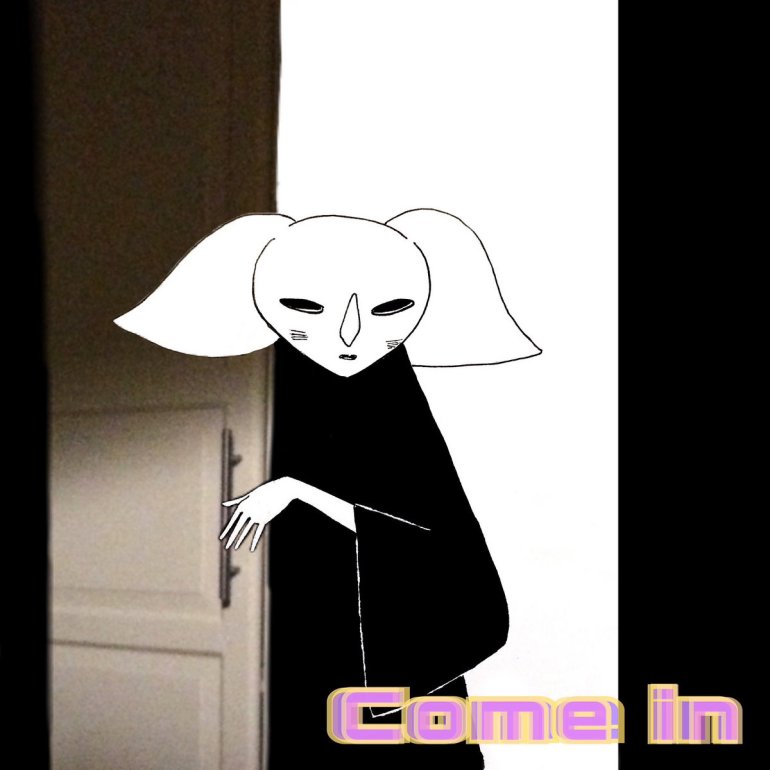
BONUS: Fifth Wave – 2020-Present
Fifth Wave Emo’s existence is hotly debated. Many people consider Fourth Wave Emo to be ongoing to the present with no definitive Fifth Wave taking place. Fifth Wave Emo brings a digital twist to the genre. Although it’s not truly emo, bands from this wave take inspiration from the developments of emo’s past. Bands like Weatherday, Quannnic, and Glass Beach bridge the gap between modern musical ingenuity and emo’s traditionally melodic vocals and choruses. Although there aren’t any “definitive” tracks for this controversial wave, some songs I would recommend are “Porcelain Hands” by Weatherday and “bedroom community” by Glass Beach. They host emotionally provocative vocals, poetic lyrics, and the angst of a post-COVID society.
Emo is a very expansive and broad genre with some of the greatest achievements and developments of its kind. Many people only see a glimpse of what emo truly is. It is a conglomerate of developments and emotion. It is unlike any other genre across the expanse of music as a whole.
Similar posts
-

1
Last Escape
-

2
Rabbit season
-

3
In My Head
-
play_arrow
In My Head Phantogram & Whethan
-
-

4
Reason to Pray
-

5
Still Do




Post comments (0)