

Solange: Redifining sound, identity, and Black expression

Aliya Sanchez
Music Journalist
Solange Knowles is an American singer, songwriter, and cultural creator whose work is deeply connected to Black History Month and the evolution of contemporary music. As a Black woman, Solange creates intentionally political yet soft and emotional art. She uses music to center Black identity healing and self-definition, especially for Black women. Her lyrics go far beyond just entertainment; it becomes a space for affirmation and healing among the African American community. Because of this, she’s become a powerful voice for honoring Black history, creativity, and resilience against the modern music industry
One of the main reasons why Solange’s work is so meaningful for African American women is the way she captures and validates the lived experiences that many African American women have gone through. Historically, Black women are often expected to be strong, and their emotions are often dismissed and are hardly given a space where they can open up freely and heal. Solange challenges this expectation directly through her song A Seat at the Table, her third studio album. This project speaks openly about racism, generational trauma, and microaggressions that many Black women go through. She addresses these issues through a lens that prioritizes self-worth and emotional care. Songs like “Don’t Touch My Hair” with lyrics like “Don’t touch my pride. They say the glory’s all mine. Don’t test my mouth. They say the truth is my sound” confront the policing of Black Women’s bodies and autonomy. While other songs like “Cranes in the Sky” reflect the coping mechanism many Black women use to deal with the pain that’s constantly inflicted on them. Through her music, Solange creates an art that is an emotional documentation honoring the struggles and inner strength Black Women have.
Another reason why Solange’s artistry is so impactful is how intentionally she celebrates the beauty and cultural contributions of Black women, rather than just focusing on all the hardships they face. In “When I Get Home,” she highlights Black womanhood in the South, spirituality, and community that she drew from her upbringing in Houston, Texas. The entire album focuses on and embraces everyday moments, cultural traditions, family ties, and personal reflections that are often overlooked in the mainstream depiction of African American women.
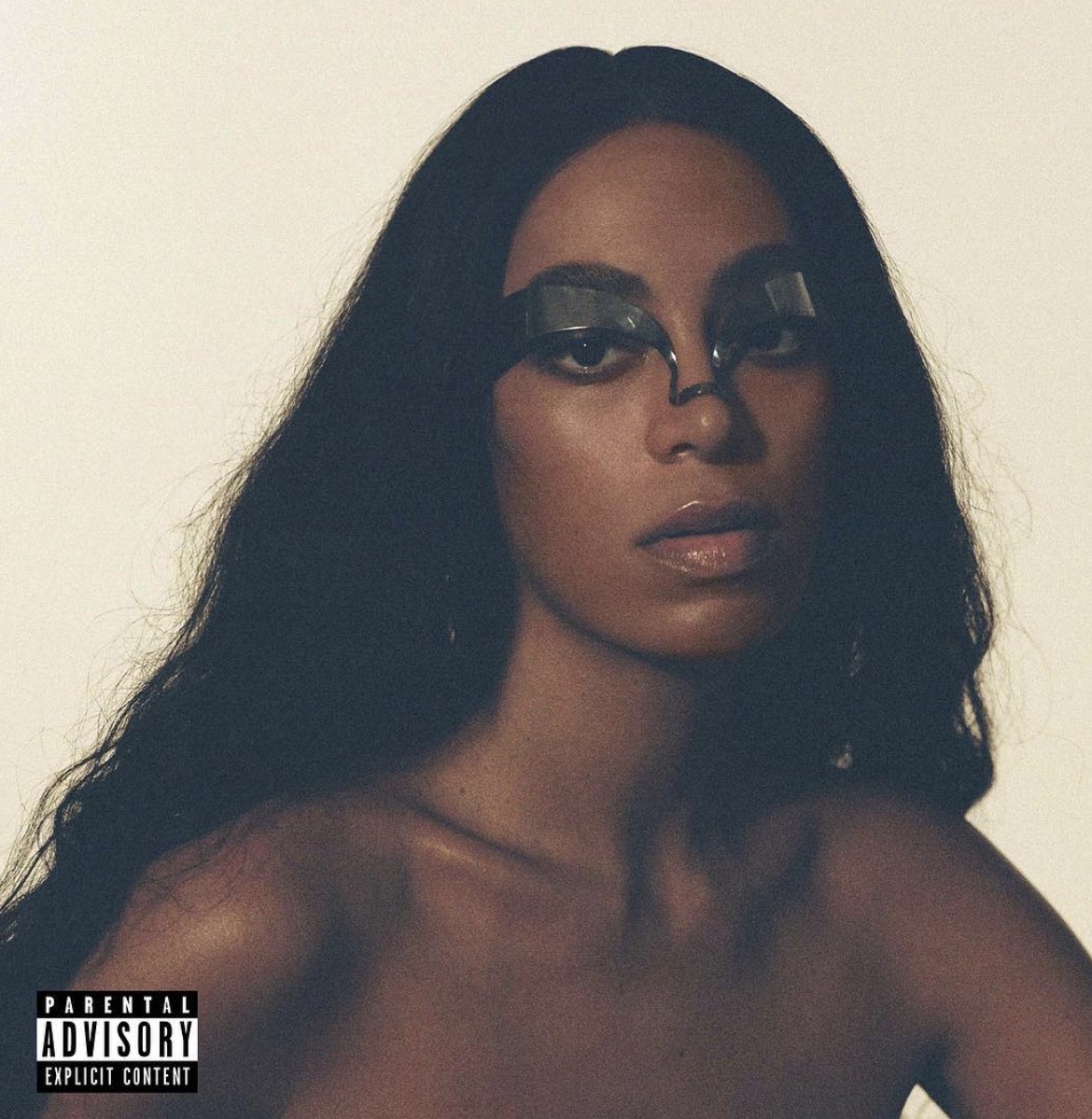
This is especially important to remember right now during Black History Month because it reminds listeners that Black history is not only shaped through political figures but is also shaped through creative expression and the lived experiences of African American women. By emphasizing cultural pride, Solange reframes Black Women as something multidimensional and worthy of celebration.
Solange’s quieter and calmer approach to activism also resonates strongly with her experiences as an African American woman. Instead of relying on loud public statements, Solange communicates through her music using symbols and visuals. Her performances are visual projects that also create a safe space where Black women’s stories are centered and captured. This softer and introspective approach Solange takes challenges the stereotypes that portray Black Women as angry and loud. Instead, Solange highlights that tenderness and the practice of self-love are powerful acts. She reminds us that African Americans also deserve peace and softness just as much as their recognition of resilience and strength.
In the broader music scene, Solange has reshaped expectations for what Black women artists can be. She blends R&B, Jazz, and soul to create music that captures the beauty of Black women and the traditions that they have historically shaped. Her commitment to creative control, visual storytelling, and freedom of expression has inspired a new generation of Black women artists to embrace their culture and show off the most authentic versions of themselves without compromises.
Overall, Solange’s importance lies in the way she honors Black Women in all their complexity. By centering healing and pride through her music, she challenges the limiting stereotypes inflicted upon Black women and creates a space for them to exist in their fullest and freest selves. Her work reminds us that African American women are not just central to history but also a part of the ongoing evolution of culture and music. Solange can celebrate Black women’s stories, emotions, and creativity through her music, making her an important voice for Black womanhood in today’s music scene.
Similar posts


-

1
In My Head
-
play_arrow
In My Head Phantogram & Whethan
-
-

2
Last Escape
-

3
Reason to Pray
-

4
Rabbit season
-

5
Still Do




Post comments (0)