

Patty Waters’ Sings: Descend into madness this Valentine’s Day
By Bridget Holt
Music Journalist
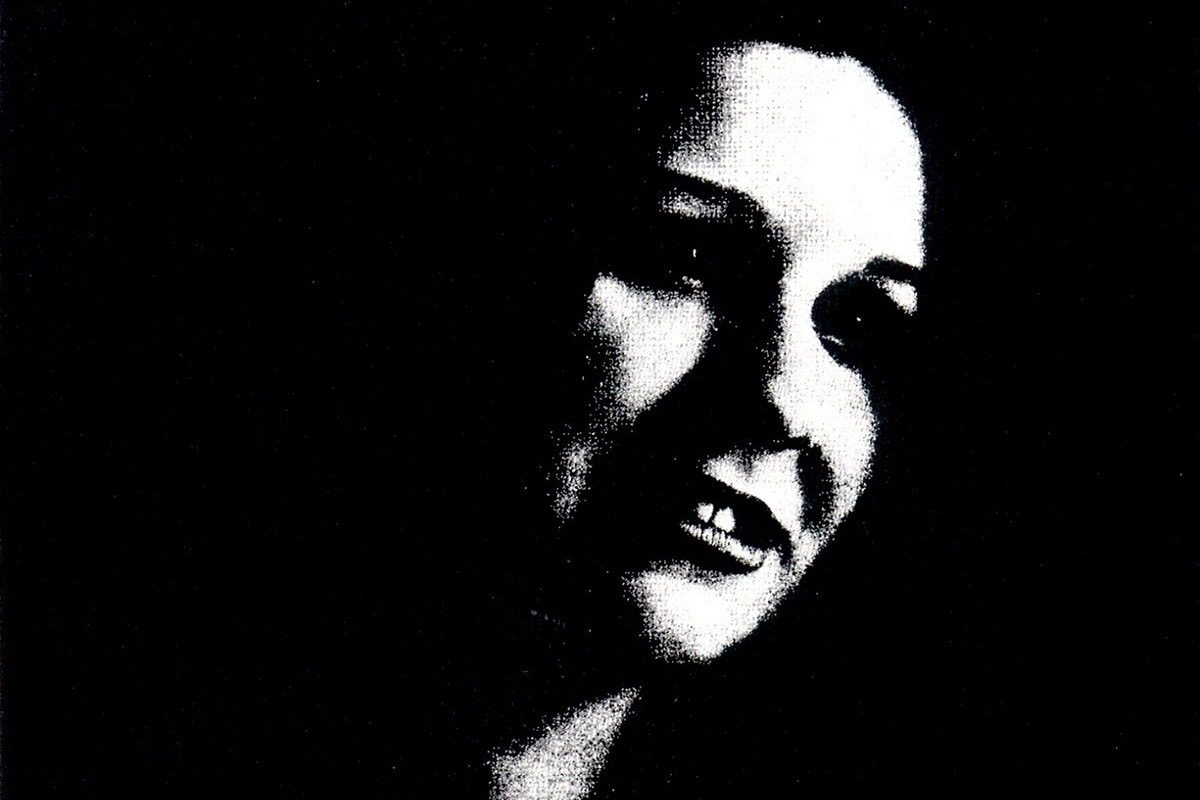
What starts as an at-first-glance unassuming collection of love ballads, Patti Waters’ 1966 debut Sings explores themes of infatuation, desire, and yearning through the guise of an estranged lover’s descent into self-immolation– a woman with a broken heart tethered to a shadow, spinning into hilarity. A gloomy, yet gorgeous free-jazz record that builds until it collapses– taking a staggering shift from serene, melancholic melodies to warring sonic turmoil littered with blood-curdling shrieks.

With Valentine’s Day this year creeping ever closer, I think that it is in the spirit of festivity that we revisit our beloved Patty Waters, who’s there to remind us all that love hurts, and that Valentine’s Day is just as much of a funeral as it is a wedding.
The first side of the record consists of tracks one through seven, totaling to just over 14 minutes and starting with the somber of “Moon, don’t come up tonight” in which listeners are introduced to our protagonist: a woman grieving a lover, struggling with abandonment. The song is moody to the point of being morbid, with Waters’ haunting voice– uncertain and tinged with despair– paired with a soft, glittering piano, dwelling hopelessly on the past. The next few tracks are equally dreary, with “Why Can’t I Come to You” being one of the most heart wrenching and lyrically dense moments on the project. Her solitude becoming too much to bear.
“So I must wait, with hopeful heart
For you to look at me once more
And see a woman you could always love”
By the fifth song, “Why Is Love such a Funny Thing”, the record becomes increasingly sinister, with lyrics depicting her unrequited love growing all the more obsessive. The instrumentation is even more depressing than the tracks preceding it, with melodies slow and severe, almost scary, and Waters’ lyrics fleeting and ominously draped throughout. The next track, “I Can’t Forget You”, carries a similar tone, as she pines, defeated and desolate, for a love that will never come to pass; writing a letter that will never be read.
“Since you don’t want me,
it makes me want you all the more”
“What can I do to make you need me?”
It becomes apparent by the last track on side A, “You Loved me”, that there is something off about our protagonist, with some of the lyrics alluding to a stalker-like relationship with her love interest. In some ways the song reads as an amalgamation of the songs before it, with Waters reaching some sort of conclusion: a breaking point. Her voice pervades with just the slightest conviction– something yet to appear on the record.
“I lived each day with you in mind,
and though you didn’t know
you loved me”
The record stops spinning, awaiting the listener to flip it around and drop the needle on the first and only track of side B: a 13-minute cover of Nina Simone’s “Black Is the Color of My True Love’s Hair”, commencing with the abusive, intemperate plucking of a piano harp. Waters croons over the discordance; her voice, foreboding and bleak, hanging harrowingly above broken chords, tempting hollow melodies destined to ruin. “I love the ground whereon he stands”, she quavers, a piano blundering lowly under her strained voice. A song once about a dedicated lover, distorted into an unfamiliar, uncanny hymn.
Black Is the Color of My True Love’s Hair
“Black, Black, Black” she repeats, her whispers soon writhing into shrieks; her composure slipping into a panic as the smooth-jazz-turned nightmare contorts itself even further, her once timid voice now frenzied and fantastical. “Black! Black! Black!” A cacophony of battered instruments erupts alongside her, with any resemblance of rhythm or song being swept away in the chaos– an ambush from all sides. The track falters from silence to violent bashing and screams, repeatedly for what seems like an eternity until we’re left with only the chilling, empty hums of our unraveled protagonist.
And then it ends.
Like waking up from a bad dream, listeners are left to make sense of things; to process the initial shock of a first time listen. To decide for themselves what it was that tipped our protagonist over the brink. Was it Insanity? Passion? Hatred? Was it love? In my heart of hearts, I believe that we all have been, or are, or will be Patty at some point in our lives, with a love so intense it drives us mad. Or was it hate? In the spirit of Patty Waters– are they really all that different?
Similar posts

-

1
In My Head
-
play_arrow
In My Head Phantogram & Whethan
-
-

2
Last Escape
-

3
Reason to Pray
-

4
Rabbit season
-

5
Still Do



Post comments (0)