

Welcoming Modernity with Japanese City Pop
Carter Guthrie
Music Journalist
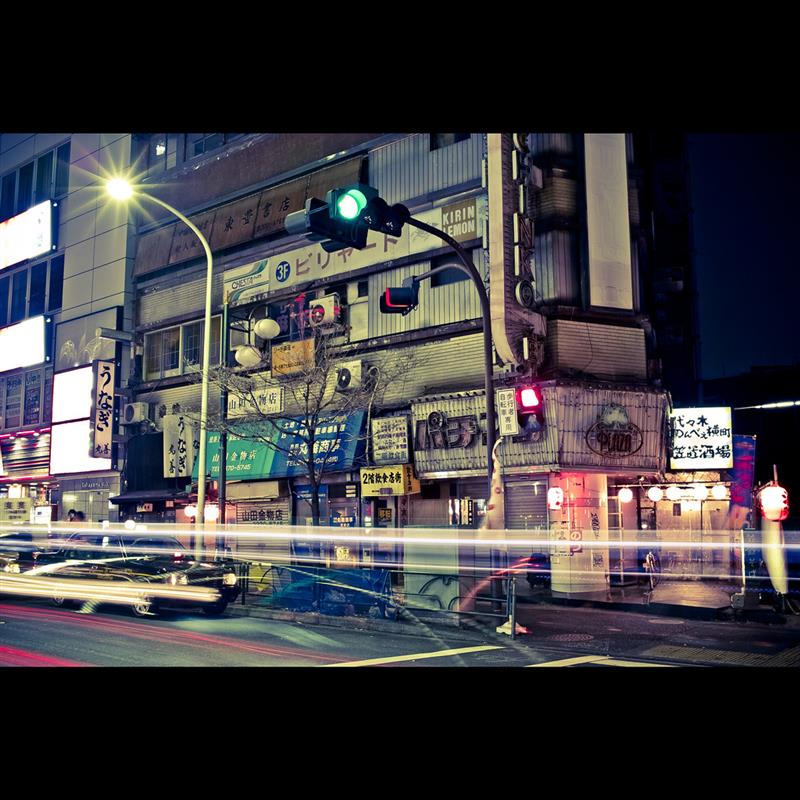
Japan’s current culture is the result of an intersection between modernity and thousands of years of tradition. When in bustling city centers, you can turn a corner and find a 500-year-old statue or a Torii gate from long ago. You can see this combination of old and new in current Japanese fashion, architecture, and most interestingly, music. Within this intersection, Japanese City Pop emerges as an ode to traditional Japanese values while recognizing the rapidly evolving world of modern Japan.
Originating in the late 70’s, Japanese city pop emerged onto the scene, coinciding with musical innovations like the Walkman. Tatsuro Yamashita, a Japanese singer-songwriter (often known as the King of Pop in Japan), was the pioneer in this emerging genre. As a songwriter, Yamashita gave the pop scene a flashy, romantic, and honest voice. As a producer, Yamashita created a sound that emphasized the grooviness that you’d feel while walking down a busy Tokyo square. Yamashita borrowed jazz and disco notes from American culture at the time while blending in his own electric guitar experience and traditional Japanese orchestral sounds. Yamashita worked closely with his wife in producing her critically acclaimed comeback album “Variety”. Through the eleven tracks, entirely written by Mariya Takeuchi, she creates a laid-back setting while going through the motions of romance and heartbreak. Her standout hit “Plastic Love” describes a woman’s feelings after a broken relationship, resorting to plastic love to mend her tattered heart. This groovy track is endlessly heartbreaking and one that you can’t help but dance to.
Tatsuro Yamashita and Mariya Takeuchi’s influence has not yet dimmed as an entirely new generation of city pop emerged in the 2000s. RYUSENKEI is a group from Shibuya that broke out in 2001 with a similar yet fresh take on the city pop scene. With obvious past influences, RYUSENKEI pays homage to the greats while injecting a healthy dose of indie fun into their wide discography. With the help of home studios and consumer-grade production materials, this group honors the urban pop scene by being a complete product of its time. RYUSENKEI is still making jazzy, neo-soul projects today, but has found its footing in a more electronic sound. It doesn’t resemble EDM in the traditional sense but rather harnesses a sound more akin to video game melodies such as Mario Kart or The Legend of Zelda. On their 2020 album “Talio”, the group leans into sophisticated funk, computer-generated xylophone, and rich basslines to add a richness to the genre. RYUSENKEI is just one example of how this genre honors the past and embraces the technological standards of modernity.
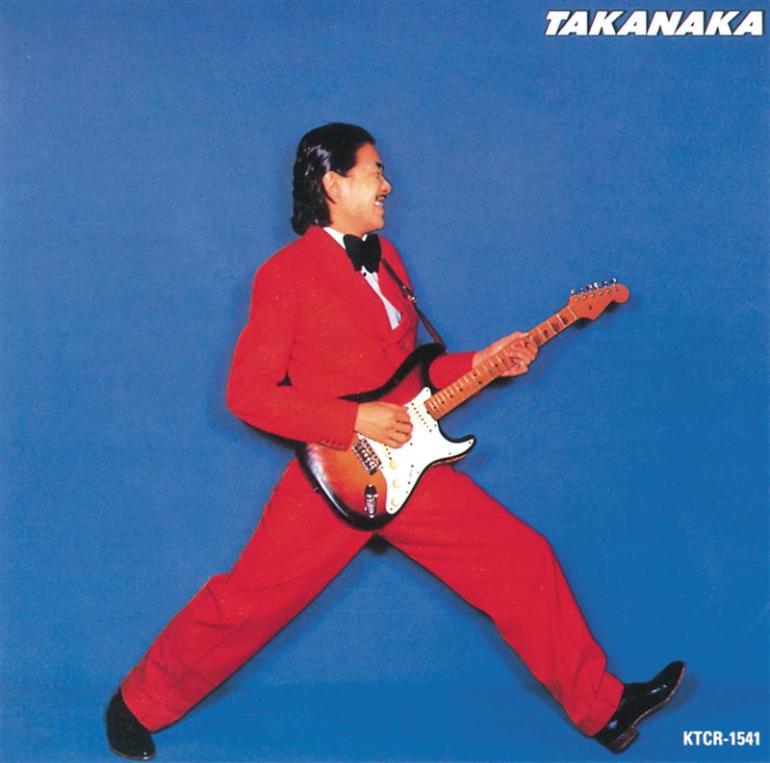
Japanese City Pop has become a global phenomenon in 2026 as City Pop artists are touring all over the world. Masayoshi Takanka, a revered guitarist and legend in the City Pop space, has sold out shows in London and Los Angeles in just a few minutes, showing that the market for this music is expanding and adored. The genre has also been turned into an aesthetic with TikTok remixes and edits created to cater to the romanticization of the time period and Japan as a whole. The aesthetic has also dipped into the fashion space, combining disco’s influence with retro-futuristic garments: high-waisted denim with classy shackets is a genre-defining silhouette. Architecture has also been influenced by the current resurgence of Showa-era cafes: an ode to the 30s and 40s Showa era in Japan, similar to the United States prohibition era. A product of the late 1900’s and of the rapidly changing world around us, Japanese City Pop is here to stay, whatever form it may take next.
Similar posts
-

1
In My Head
-
play_arrow
In My Head Phantogram & Whethan
-
-

2
Last Escape
-

3
Reason to Pray
-

4
Rabbit season
-

5
Still Do


Post comments (0)